Our News Archívum - Page 2 of 2 - Julius-Globe

hirek_bet50-julius-globe-1280x853.jpg

September 20, 2017
From a Small Garage to Global Orders — Julius-Globe Ltd.

Julius-Globe Ltd. owes its success to reliability, flexibility, and continuous improvement. Its advanced manufacturing technology and highly skilled, loyal workforce consistently achieve high levels of customer satisfaction — especially in international markets. Korszerű gyártástechnológiája, magasan képzett, lojális munkatársai nagy vevői elégedettséget érnek el – főleg a nemzetközi piacon.

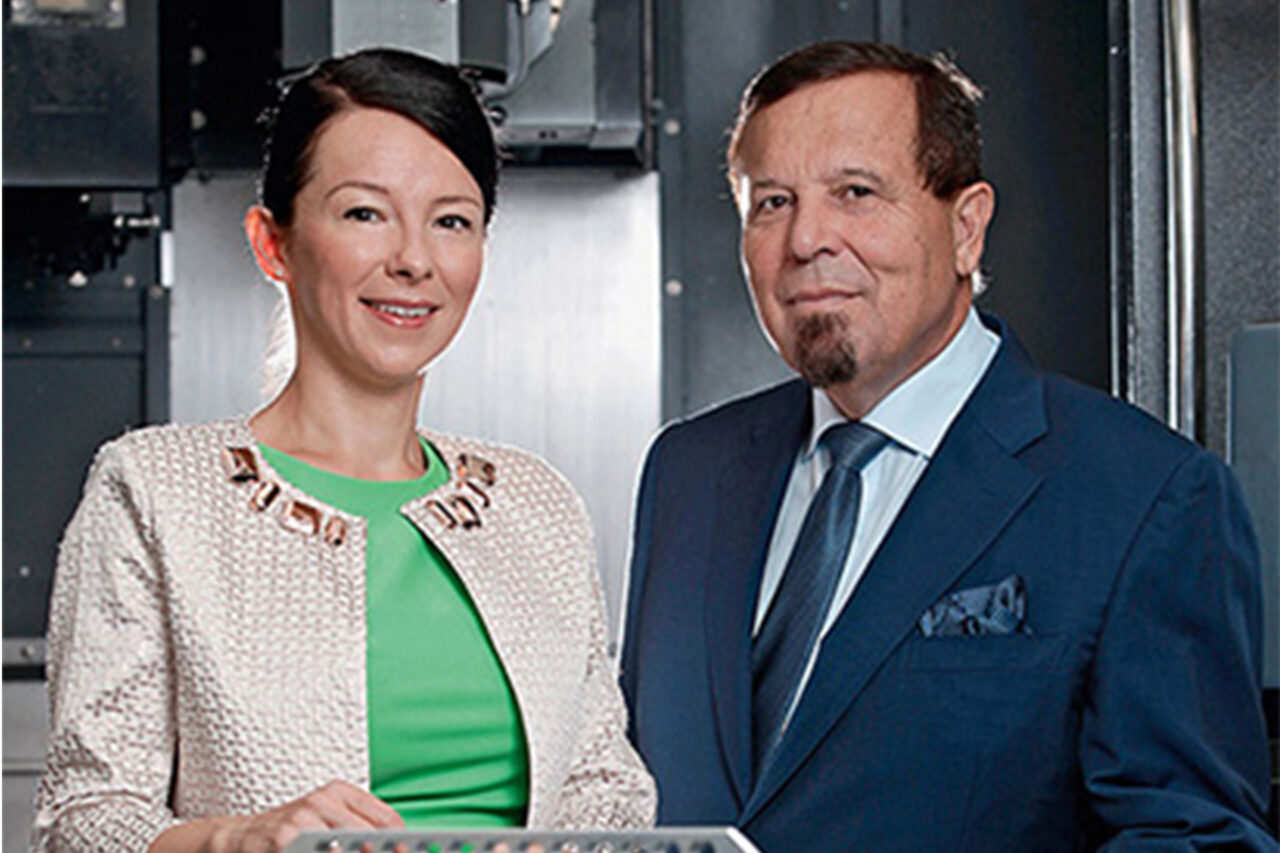
A metal “logic globe” was one of the first products of Julius-Globe Ltd., founded in 1998. As quality manager and co-owner Erika Rácz explained, the dynamically growing Hungarian-owned company now exports close to 60% of its precision machined components and equipment, while also maintaining a significant share of the domestic market.

The development milestones are clearly visible in their 2,800 square metre production facility in Győrújbarát, near Győr, equipped with a modern machine fleet. They recently came into the spotlight by winning the European Business Excellence Award — an award they entered not only to be benchmarked domestically but also internationally, gaining further recognition along the way.

Multiple generations work here together in a family-friendly environment. The enthusiasm of younger colleagues is backed by the professional experience and knowledge of more senior staff. As technology advances rapidly, the team continuously develops their expertise to keep pace.

The company, which employs 41 people, offers its workers above-average salaries as well as additional benefits such as housing loan support.

They have extensive experience in CNC precision machining of components for sectors including healthcare, instrumentation, automotive, packaging, and high-tech industries, as well as in the design and production of fixtures and complex assembly lines for automotive suppliers.

Their first major partner was Philips. At that time, they ran a factory in Győr exclusively for the Dutch company, with around 250 employees working three shifts on the assembly and reworking of electronic and mechanical components. The company’s exposure to Philips was enormous — in 2004, the Dutch firm still accounted for over 90% of their total revenue. This is where they learned flexibility, which managing director and owner Gyula Rácz still considers one of their most important competitive advantages today. Due to production line stoppages, they often had to go to the factory at night or on weekends to solve problems — he recalls from those early days. On many occasions, their innovative problem-solving managed to get the Philips lines back up and running. Alongside flexibility, expertise also proved to be key. Gyula Rácz believes: without the five-year toolmaking vocational school in his life, there would be no factory and no business at all. He later earned degrees in mechanical engineering and economics, which he also puts to good use in various business and banking dealings.

Following Philips’ withdrawal, they gradually distanced themselves from the Dutch company from 2004 onwards, and in 2010 closed the production unit that had worked exclusively for them. They were later able to replace the lost business with orders from Robert Bosch, Siemens, Audi, and other large multinational companies. Julius-Globe’s revenue, EBITDA, and personnel costs have grown every single year since 2013 — achieved through technological development, diversified industry exposure, and supply to multiple sectors. “The market is constantly changing — you can never afford to sit back,” emphasises Gyula Rácz.

Interestingly, we are having this conversation in a separate office within the plant, separated by just a single wall from the garage-sized room where the whole business started about twenty years ago. Alongside their modern CNC grinding and turning machines, they also have nine CNC machining centres.

They are now planning to purchase their sixth 5-axis CNC machine. “This is also an industry where you cannot afford to stop developing,” says Erika Rácz. “Year after year, more precise, technically advanced, and automated machines come onto the market — and our customers demand increasingly precise components from us, which can only be produced with modern, high-accuracy machining equipment.”

The first two simultaneous 5-axis machines were purchased just a few months before the 2008 financial crisis hit. Because order volumes dropped, there was plenty of time for staff to master machining on what were then brand-new types of equipment. According to the managing director, this is precisely why they were able to recover from the crisis quickly — they reacted fast, and — though not yet consciously at the time — they were already diversified, supplying multiple industries. Another important factor was that they had no working capital loans — they had always financed this from their own resources. It also worked in their favour that the energy industry felt the crisis with a delay of about eighteen months: in 2009 they still received significant orders from their largest partner, Siemens. The lesson from the crisis for them is clear: you really must invest and develop during a downturn. It is a major advantage if a company can finance its working capital from its own resources, and the broader the customer portfolio, the more secure the future.

For years they have also been conducting experimental R&D on behalf of both Hungarian and international partner companies. They closely follow Industry 4.0 developments and integrate them into the equipment and devices they design, manufacture, and commission — including laser and optical sensor networks, camera systems, and automated assembly systems. In this way they help their customers advance their manufacturing processes and increase production capacity.

For the owners, vocational training remains an important part of the company’s operations. In the past 11 years, nearly two hundred apprentices have completed their practical training here. They participate in several career orientation programmes to introduce as many students as possible to the trade and attract technically minded young people to the metalworking industry. Through their day-to-day operations they see first-hand how valuable skilled professionals are — and they hope that careers requiring metalworking and engineering knowledge will become increasingly popular among young people.

Source: BÉT50


July 3, 2017

A few weeks ago our new generation HURCO VMX 30i 3-axis machine arrived, featuring a fully digital drive system and a larger 19-inch display for better visibility of graphical elements. The direct measuring system ensures greater accuracy thanks to its fixed feedback, and the keyboard is also protected against coolant and water ingress.

How does a metal block get transformed into a precision component? The short video illustrates the machining of a workpiece on a 5-axis machine. This year, a HURCO VMX 42 SRTi is also expected to be acquired.

The machine acquisition was made possible with the support of domestic and EU grant funding.


atvettuk-1280x853.jpg

May 4, 2017

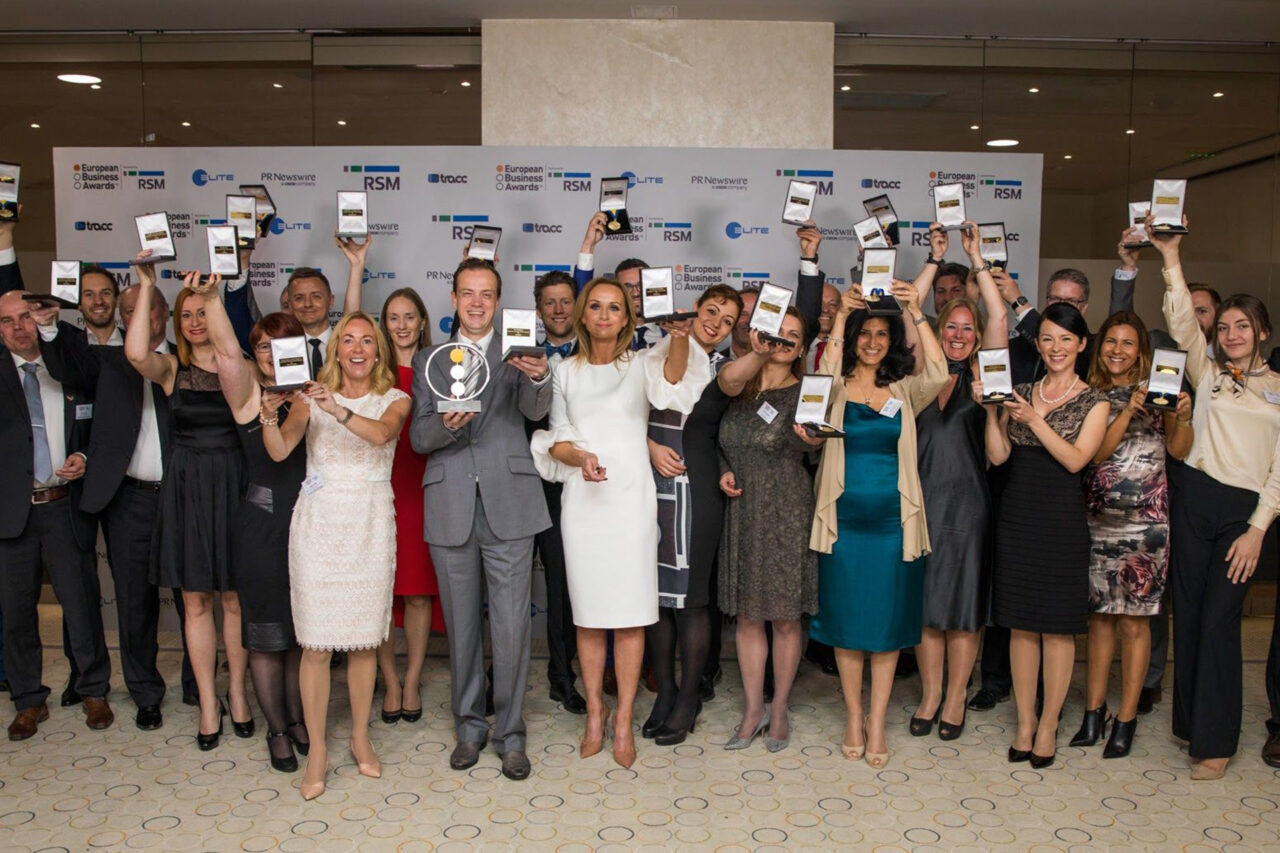
At the conclusion of the two-day event series, we proudly received the National Audience Champion award at the European Business Awards Gala Evening held in Dubrovnik — representing our country with great pride. Winning companies and organisations from 34 European countries took part in the ceremony.

Considering the size of our business, our company’s profile, and the characteristics of our economic sector, winning these awards is a major achievement. It is a recognition of many years of hard work by our team. EPAM Systems also attended the ceremony, having been selected as one of the top 10 employers.


megnyertuk-1280x853.jpg

March 6, 2017
We Won the National Audience Champion Title

We recently received the news from the EBA committee and RSM:

“Julius-Globe Ltd. became this year’s RSM-sponsored European Business Awards National Audience Champion for Hungary. During the public voting stage following the competition, more than 160,000 votes were recorded from companies around the world. In Hungary, Julius-Globe received the most votes.” Adrian Tripp, CEO of the European Business Awards, stated: “The public vote gives businesses the opportunity to showcase their success to audiences around the world and to attract the attention of their own shareholders and potential clients. Congratulations to Julius-Globe — this is a serious achievement.”

We thank everyone who considered our company worthy of their vote in the second round of the EBA competition. People voted for us from more than twenty countries — from Miami all the way to Csíkszereda. This widespread support and the result we achieved is a shared success — we owe it to many people, including our colleagues and their families, our customers, our cooperation and business partners, our friends and acquaintances, and we especially thank the support of Hungarians living abroad! Thank you for participating in this competition alongside us and supporting us with your votes and shares!

2017 National Audience Champions:

Country – National Audience Champions
1. Austria – RINGANA
2. Belgium – The Insiders
3. Bulgaria – Unimasters Logistics AD
4. Croatia – St. Catherine Hospital
5. Cyprus – PRIMETEL
6. Czech Republic – AAA AUTO International a.s.
7. Denmark – ABACUS MEDICINE A/S
8. Estonia – Proekspert AS
9. Finland – GreenEnergy Finland Oy
10. Macedonia – Veze Sharri DOO
11. France – Groupe Acticall
12. Germany – Hinterher.com munich bike trailers
13. Greece – Diamantis Masoutis S.A.
14. Hungary – Julius-Globe Kft.
15. Iceland – Thula – Nordic Source Solutions
16. Italy – Lexmark International Srl
17. Latvia – Forevers Ltd
18. Lithuania – Aviva Lietuva
19. Luxembourg – Wallenborn Transports S.A.
20. Malta – AirX Group
21. Norway – Beerenberg Corp. AS
22. Poland – Orange Polska
23. Portugal – Via Directa – Companhia de Seguros
24. Ireland – Arboretum Home and Garden Heaven
25. Romania – Qubiz
26. Serbia – UNIQA insurance Serbia
27. Slovakia – GEVORKYAN s.r.o.
28. Slovenia – M SORA d.d.
29. Spain – Actiu
30. Sweden – Framtiden
31. Switzerland – Panalpina World Transport (Holding) Ltd
32. Netherlands – Amoria Bond
33. Turkey – Sunar Misir
34. United Kingdom – Utility Warehouse


trend_fm-1280x853.jpg

January 26, 2017

A small business from Győrújbarát has made it through to the second round of the European Business Awards competition.

Julius-Globe Ltd. is competing in the Entrepreneur of the Year category — a title that has never before been awarded to a Hungarian company. Every year, more than 30,000 companies from 34 countries enter the competition. Based on the National Champions’ introductory videos, a professional jury selects and awards the best companies in each category. Attila Andor interviewed Erika Rácz, quality manager at the Hungarian machine component manufacturer.

You can listen to the interview here:


nemzeti_bajnok_kiemelt-1280x853.jpg

September 5, 2016

Julius-Globe Ltd. was selected as a National Champion in the first round of the European Business Awards (EBA)

We Will Represent Hungary as National Champion at the 2016/17 European Business Award Competition

JULIUS-GLOBE KFT. has been nominated as HUNGARY’s national champion for the RSM-supported European Business Award competition — Europe’s largest business competition, which recognises business excellence and best practice within the European business community.

Now in its 10th edition, the competition is supported by business leaders, scientists, and political representatives from across Europe, and this year involves more than 33,000 companies from 34 countries.

JULIUS-GLOBE KFT. was selected by an independent committee after the first round of evaluation. Assessment was based on EBA guidelines covering innovation, ethics, and success, and the competition now moves on to the second round, consisting of a video entry and a public vote.

Quality manager Erika Rácz notes: “We are very proud to have been chosen as national champion to represent HUNGARY. The European Business Award is widely recognised as the showcase for Europe’s most dynamic companies, and we are proud to receive this level of recognition.”

Adrian Tripp, Executive Director of the European Business Award, said: “Congratulations to Julius-Globe Ltd., who will represent their country as national champion. They play a central role in the success of Europe’s strong business community, and have demonstrated the principles of innovation, ethics, and success that we require.”

In the next round, national champions must produce an introductory video telling their story and explaining the secret of their business success. The competition’s independent judges will award the best in each group with “Ruban d’Honneur” status, and the selected companies will then be eligible to compete in the grand final in 2017.

Separately, a two-round public vote will take place in which the videos will be showcased on the European Business Award website, and the company receiving the most votes in its own country will become the “national audience champion”. Last year more than 227,000 votes were counted, as companies were supported globally by their clients, staff, and management, as well as by the general public.

The lead sponsor, RSM — the sixth largest international network of independent audit, tax, and advisory firms — has supported the European Business Award from the very beginning. The primary aim of the competition is to support the development of a stronger and more successful business community across Europe. Other supporters and partners of the competition include UK Trade and Investment, ELITE, and PR Newswire.

In the 2015/16 competition, all EU markets were represented alongside Turkey, Norway, Switzerland, Serbia, and the former Yugoslav Republic of Macedonia. Their combined revenues exceeded €1.2 trillion, and they employed more than 2.5 million people.

For more information on the winners, the European Business Awards and RSM:


avio-1280x853.png

June 11, 2016
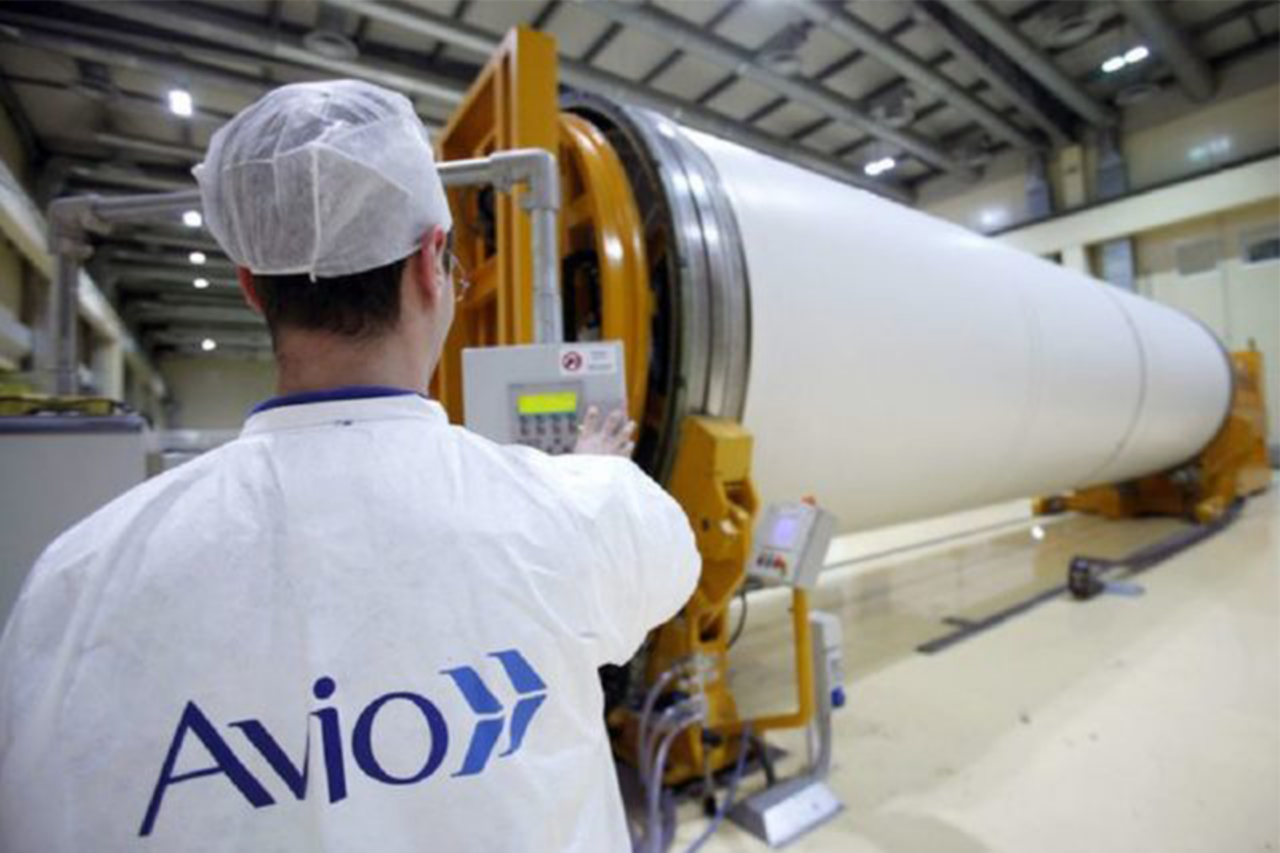
We visited the AVIO factory in Colleferro, near Rome, where we had the opportunity to observe the manufacturing of rocket engines. Avio is one of the world’s leading companies in international space exploration, with over 100 years of history, and holds deep expertise in the design, development, and manufacturing of solid, liquid, and cryogenic propellant engines.

As part of the manufacturing process, we also got a glimpse into the carbon fibre winding process used for the engine casing.

Source:


esa-1280x853.png

June 10, 2016

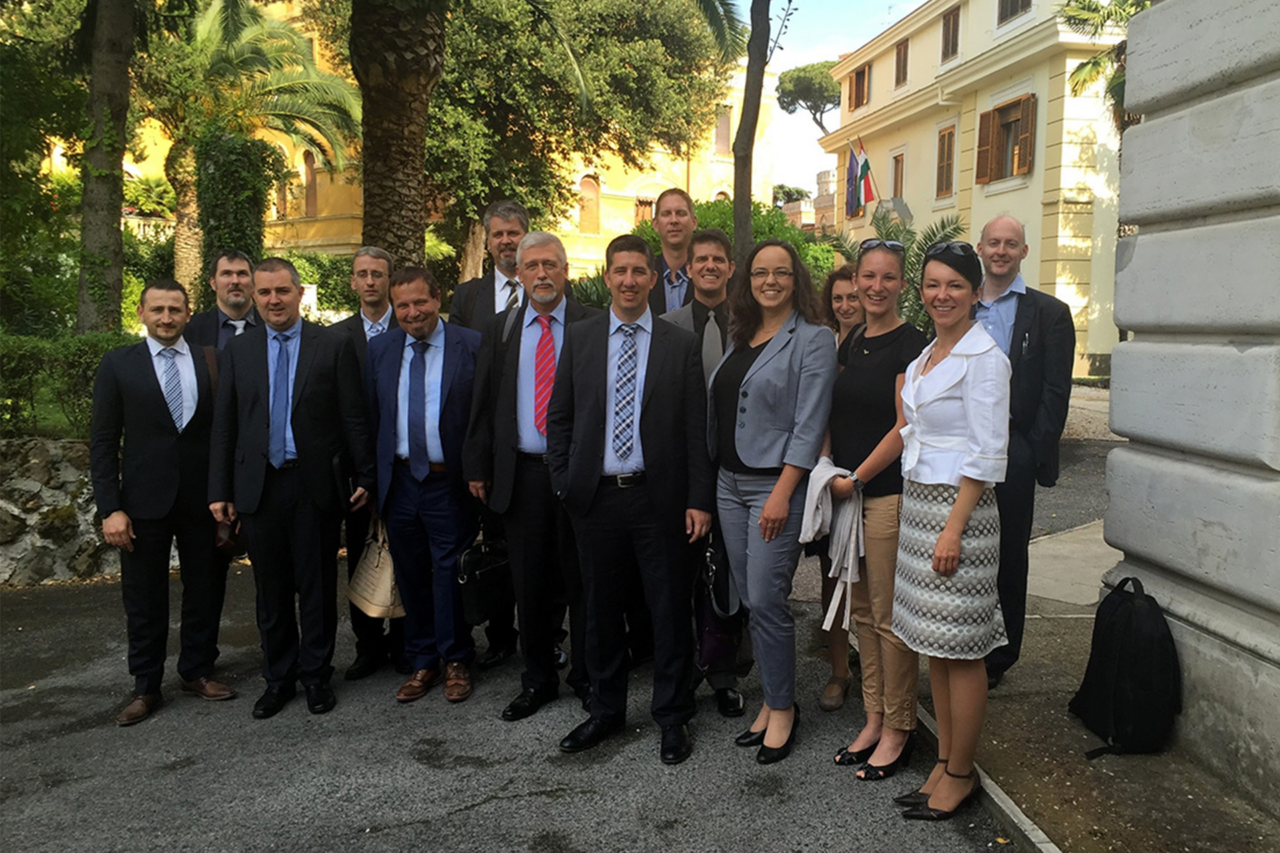
Our company visited the headquarters of the Italian Space Agency (ASI) in Rome and the European Space Agency’s (ESA) centre for satellite remote sensing, ESRIN, located in Frascati.

A delegation made up of representatives from the Ministry of National Development (NFM) and the leaders of nine Hungarian small and medium-sized enterprises learned about the centre’s operations and key activities — from scientific research satellites through to the Sentinel satellites being developed for the EU. The delegation also presented the Hungarian space industry at a professional meeting held at the Hungarian Embassy in Rome.

Source:


hunspace-1280x853.png

May 25, 2016

Our company has joined the HUNSPACE Hungarian Space Industry Cluster.

A number of Hungarian components are being incorporated into the Sentinel-2C and -2D remote sensing satellites, after a group of Hungarian supplier companies signed a new contract linked to the European Union’s Copernicus programme. The satellite imagery gathered through Earth observation will be freely accessible to every European citizen in the coming decade.

The European Union has entrusted the European Space Agency (ESA) with the implementation of the Copernicus programme for Earth observation. Four Sentinel-2 satellites will be placed in orbit as part of the programme, capturing images of the Earth’s surface for purposes including environmental analysis. The first satellite in the family has been operational since 2015, the second is completing its final tests, and construction of the third and fourth is now beginning. Assembling these 1.5-tonne units takes at least 5 years, with thousands of engineers from hundreds of companies working on the project. Once all four satellites are operational, images of any given point on Earth can be taken every 2 to 3 days.

Numerous new opportunities opened up for the Hungarian space industry when Hungary became a full member of the European Space Agency (ESA) in November 2015, thanks to intensified government efforts. The sector’s growing capabilities are demonstrated by the fact that an increasing number of small and medium-sized enterprises are able to participate in internationally collaborative projects. This development boosts employment and helps retain Hungary’s highly skilled, high-tech workforce within the country.

Source:


MEMBER OF THE NAVIGATOR GROUP

Julius-Globe Ltd.

End-to-end metal industry solutions: custom and small-series manufacturing with engineering support, design and an R&D approach.


METAL INDUSTRY COMPETENCE CENTRE

Since 1998


WE LOOK FORWARD TO HEARING FROM YOU

Get in touch

info@jglobe.hu

+36 (96) 543 281

H-9081 Győrújbarát, István u. 176.