Our News Archívum - Julius-Globe


May 25, 2023

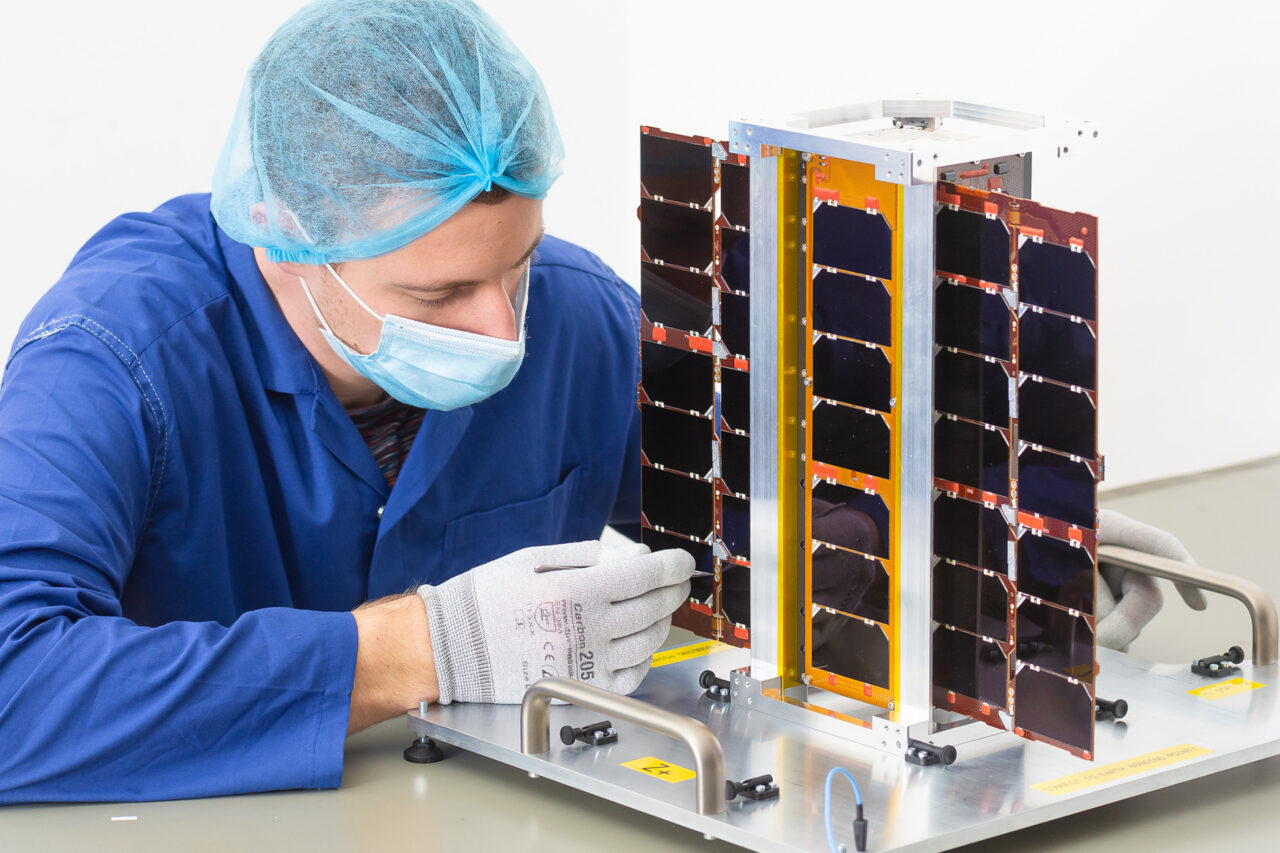
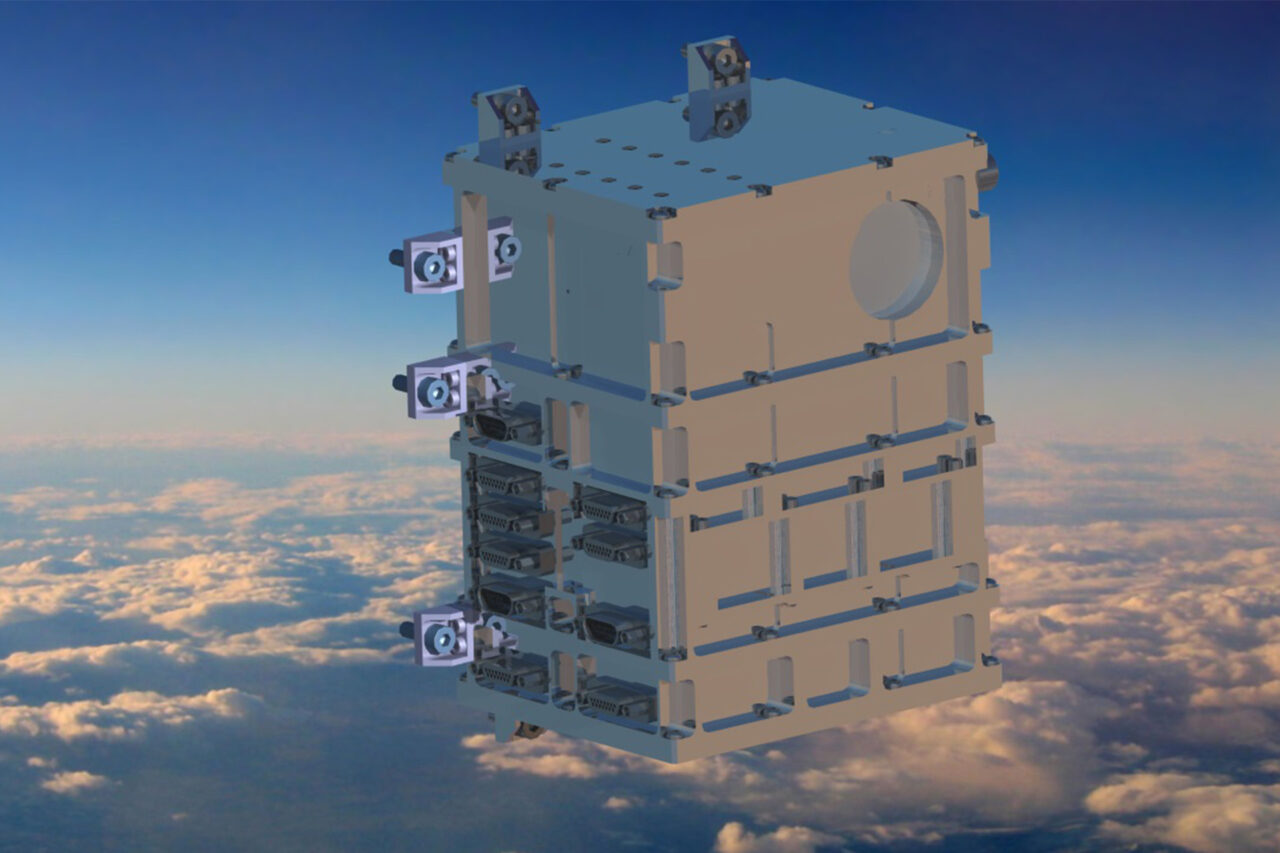
We are delighted to learn that the VIREO (Virtual Intelligence Realization for Earth Observation) 3-Unit satellite, developed by C3S Kft. and aiMmotive, was successfully launched on April 15, 2023, from Vandenberg Space Force Base in California aboard a SpaceX Falcon 9 rocket.

On 25 May 2023, VIREO successfully began its anticipated 3-year orbit around Earth, where it will explore potential on-board applications of artificial intelligence.

Congratulations to the team at C3S Ltd. for this outstanding achievement! We are proud that the Julius-Globe team also contributed to the success of this project by manufacturing complex components that required 5-axis machining.

The launch can be viewed here (from 17:01 minutes):


August 17, 2021
In the early hours of this morning, at 3:47 a.m. Hungarian time, the European Vega launch vehicle successfully lifted off on its VV19 mission. Following the successful launch, the RADCUBE 3U satellite reached its orbit — a satellite built from structural components manufactured at Julius-Globe, including the Radcube PCB holders, the frame structure, the antenna deployment mechanism, and the mechanical parts of the Radmag radiation measuring instrument telescope unit.


We would like to express our sincere gratitude to C3S and the Centre for Energy Research for their trust in our capabilities. Our deepest thanks also go to every member of the Julius-Globe team!


The launch footage (from the 27:27 mark) can be viewed in the attached video.


More information:

d3s-1280x853.jpg

April 27, 2021
The photograph was taken before the pandemic, in more peaceful times. Remred Kft., researchers from the Centre for Energy Research, and our colleague Anett Soós Vilmosné, Head of the Engineering and Development Division, jointly developed the D3S-RadMag space radiation and magnetic field measurement instrument.

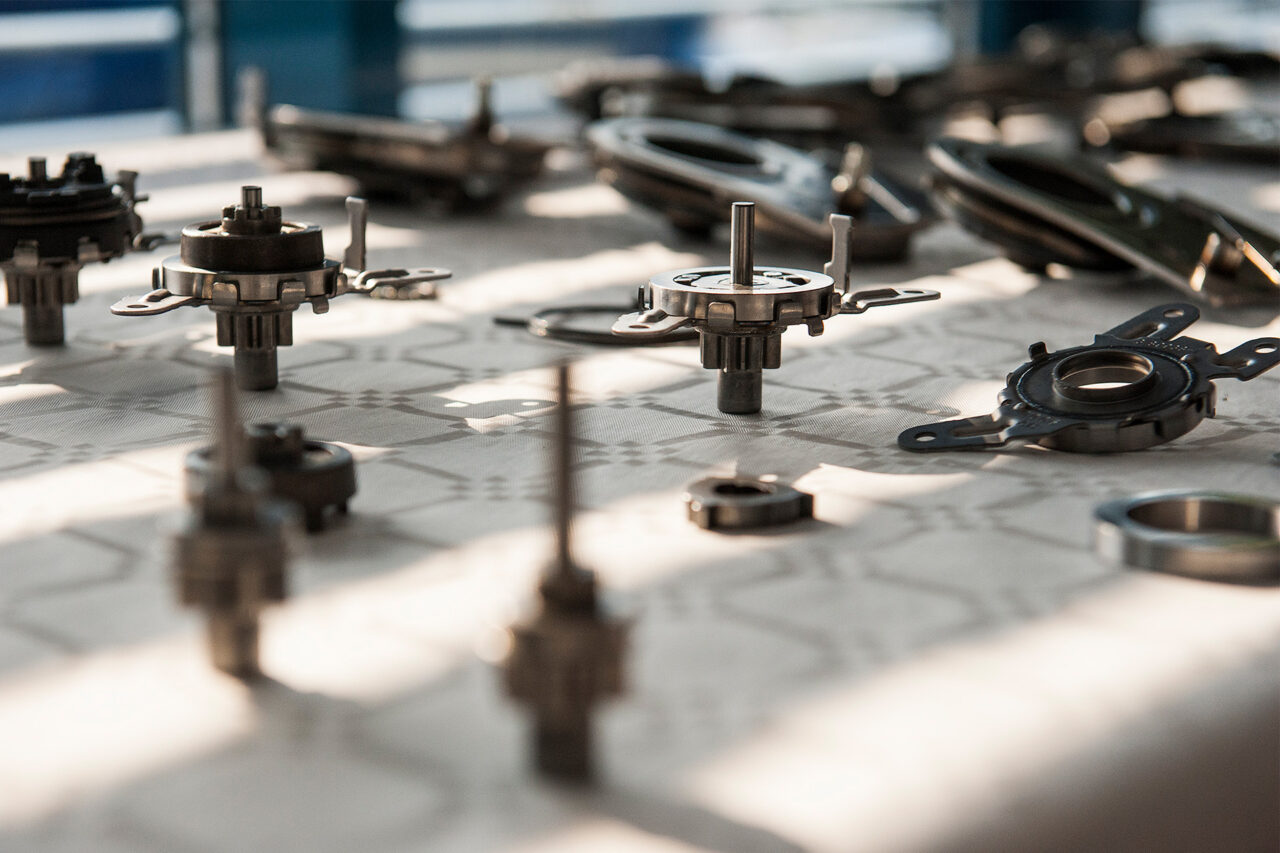
As we mentioned in our previous post, we have been manufacturing for the space industry for several years now. Sharing the full picture of our space-sector work is not always straightforward, as most space projects are subject to strict confidentiality. Production of space components is ongoing. In addition, in the framework of the European Space Agency’s (ESA) distributed space weather monitoring network concept, we jointly developed — together with Remred and the researchers of the Centre for Energy Research — a combined instrument capable of measuring both space radiation and magnetic fields. This instrument will be used for measurements in ESA’s upcoming small-satellite constellation mission for space weather monitoring. ESA has approved the instrument’s development, and production of the test unit is set to begin shortly.

Our company constantly seeks new market opportunities that can drive technological and professional growth. Manufacturing space components is extremely challenging — given the tiny dimensions, complex designs, and precision requirements — but it represents a genuine step forward for both our company and our colleagues. Through our domestic and international projects, we have built up broad and specialised manufacturing expertise across numerous market segments. This professional background, combined with our diversified client portfolio, has given us the solid foundation needed to take on high-level projects such as space industry contracts.

We took on this challenging manufacturing work with an enthusiastic team of engineers and technologists. Thanks to our dedicated team’s expertise and perseverance, new assignments keep coming our way. The professional experience gained through space-sector design and manufacturing can also be applied across other areas of the industry.


radcube-1280x853.jpg

April 19, 2021

The time has come to share news about our entry into yet another industry. We first made contact with the Hungarian space sector back in December 2015. Since early 2018, we have completed several space-industry manufacturing projects. The very first was our participation in the RADCUBE 3U mission, during which we initially manufactured the complete mechanical assembly of the RadMag radiation measuring unit for the Centre for Energy Research — both the engineering development and the flight model — and then produced the Radcube satellite frame structure, the antenna deployment unit, and the associated PCB holders for C3S.

The RADCUBE 3U satellite was built in cooperation with the European Space Agency, under the consortium leadership of C3S Ltd., with the Centre for Energy Research coordinating the scientific experiments in the payload bay. While the project is led by Hungarian experts, a number of international partners are also involved: Poland’s Astronika and the International College of London (UK) developed key parts of the scientific experiment device. Supporting suppliers also played an important role — Spain’s DHV contributed to the solar panel wing, and Belgium’s KU Leuven team worked on the attitude stabilisation device. In addition to the platform and the RadMag instrument, two ESA experiments — one on radiation tolerance and one on in-orbit radio frequency testing — are also set to reach orbit soon.

kiemelt_kep-1280x853.jpg

May 29, 2020
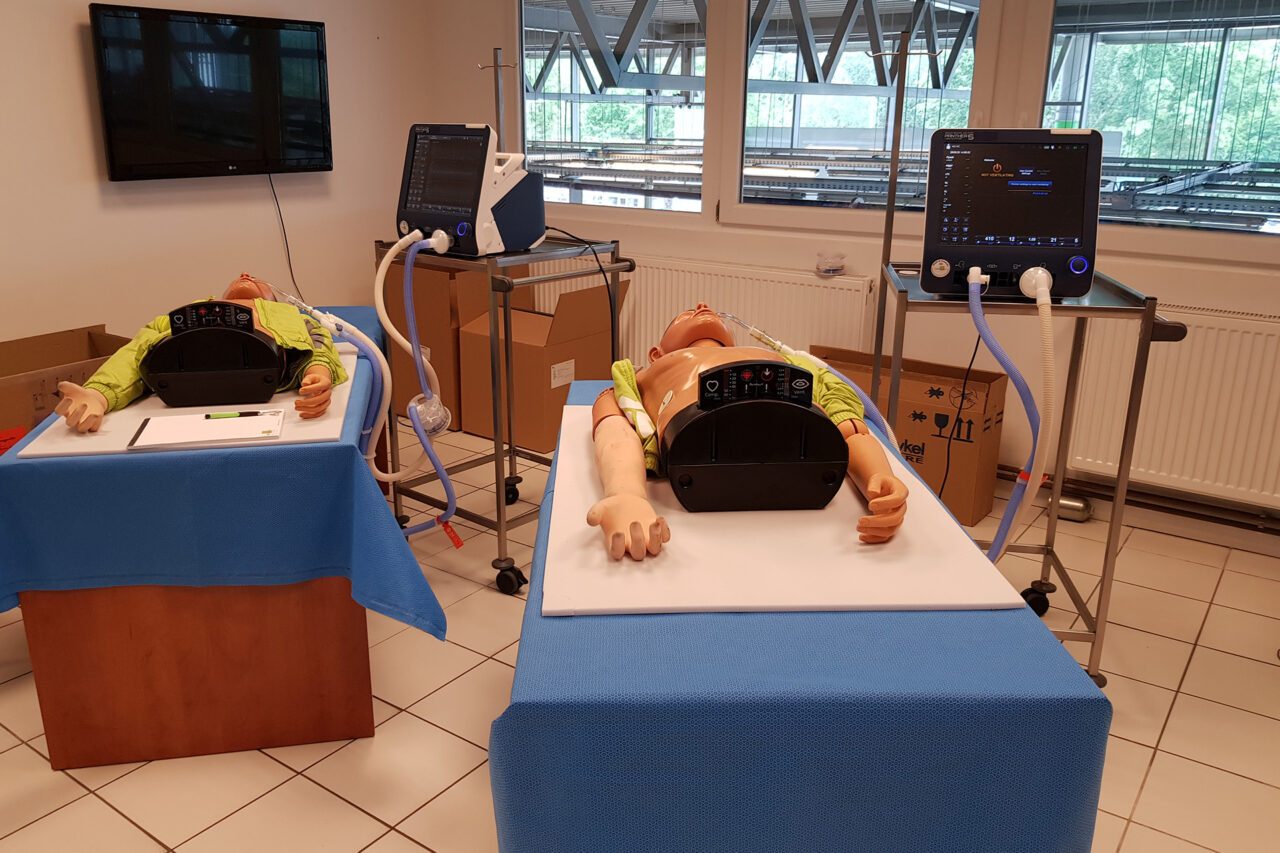
We are pleased to share the news that today we delivered the necessary machined components for 300 intensive care unit ventilators. The remaining parts for the additional 800 units will be delivered shortly.

In response to the global pandemic, a Hungarian medical device manufacturer — Celitron Medical Technologies Ltd. — began producing state-of-the-art ventilators. As part of this project, a total of 1,100 ventilators will soon be assembled, serving the health of people in Hungary. The machines can be used to ventilate newborns, children, and adults in intensive care.

We thank our colleagues for stepping up during this difficult period. It fills us with great joy and pride that our company can supply — and our team can manufacture — the machined components for these life-saving machines.


profit_milling-e1776782224867-1280x676.jpg

December 11, 2018
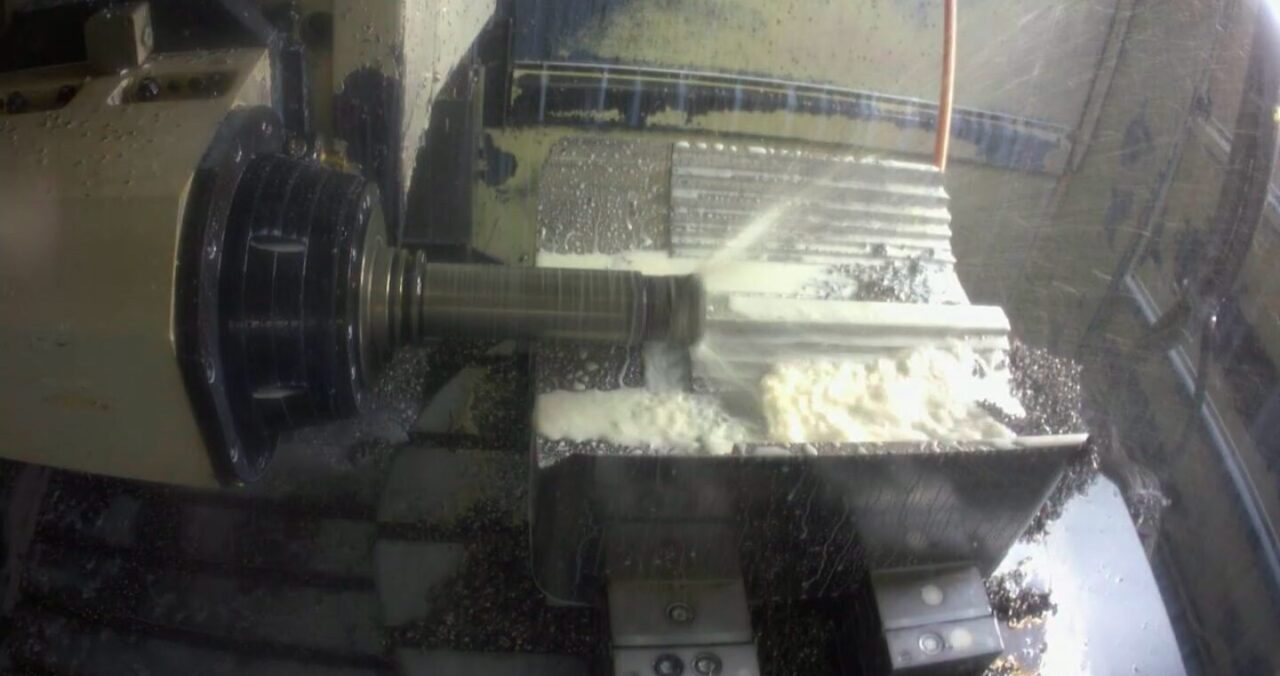
Last week we introduced a new technology: Profit Milling.

We milled the raw workpiece to a depth of 36 mm. First we roughed out the corners, then finished the part. The automotive component was machined using air cooling instead of water cooling, in half the time it would have taken with an indexable insert cutter.

Our company continuously works to multiply machining efficiency. Labour and material costs keep rising, while customers want part prices to keep going down. The only way forward is to dramatically increase our machining efficiency. Our colleagues drive this with their innovative ideas, and our ESPRIT CAM system — introduced in 2012 — supports it equally. The latest version places a strong emphasis on highly efficient machining technology, offering clever and exceptionally cost-effective toolpaths and new machining strategies to boost productivity.

The new features focus on higher cutting speeds, longer tool life, and the ability to machine increasingly complex geometries.

negyven-1280x853.jpg

March 28, 2018

Autopro: Julius-Globe Ltd. is a small company near Győr that has been quietly active in the automotive industry for over twenty years. You don’t hear much about them — yet they have a number of large-scale projects behind them. Would you have guessed that in Győrújbarát they also develop safety-critical components for oil drilling rigs? We spoke with Managing Director Gyula Rácz.

– How would you summarise the company’s activities?

– Over the past nearly 20 years, our company has gone through continuous development. We started out almost exclusively assembling and reworking electronic and mechanical components for the automotive industry. Today we supply more than nine industries — primarily the automotive sector, but also packaging, printing, high-tech, energy, engineering, plastics, electronics, tobacco, and medical device manufacturing. Our current work includes CNC precision machining of components and the design and production of assembly lines and measuring equipment.

– What products do you manufacture? What references would you mention?

– Our precision components, assembly workstations, production lines, jigs, tools, special-purpose machines, end-of-line inspection fixtures, functional gauges for mechanical part inspection, hand-held measuring tools with dial gauges, and workpiece clamping fixtures for 3D coordinate measuring machines are well known in both domestic and foreign markets. Around 40% of our revenue comes from export. We ship to seven countries in Europe — primarily to multinational companies in Germany, the Netherlands, Austria, and Switzerland — and we also supply markets outside Europe, such as Mexico. Among our references I would mention the Robert Bosch, Schaeffler, Körber, Besi, and KBA groups, and we have also supplied Audi, Federal Mogul, Coperion, Siemens, and BOS.

– How are you connected to the fourth industrial revolution?

– We closely follow Industry 4.0 developments and incorporate them into the equipment and devices we design, manufacture, and commission — including laser and optical sensor networks, camera systems, and automated assembly systems. In this way, we support our customers in advancing their manufacturing processes and increasing their production capacity.

– Are further developments expected? What grant opportunities are you planning to pursue?

– In recent years, thanks to successful equipment and experimental R&D grant projects, we have been able to carry out effective investments that allow us to offer our customers an even broader technology portfolio. Over the past two years we have acquired several CNC machining centres, CNC lathes, CNC grinding machines, and a 3D coordinate measuring machine. For years we have also been conducting experimental R&D work on behalf of both Hungarian and international partner companies. A new challenge arose in 2015 when Adient — the former Johnson Controls — invited our company to jointly participate in consortium-based experimental R&D. The consortium leader defined that Julius-Globe would carry out the design and experimental production of certain prototype components for three series of 3000-range prototype product families. We successfully closed the project and the grant application at the end of 2017. We currently have one ongoing grant project, within which we plan to invest close to one million euros in development.

– What completed R&D projects can you report on?

– In recent years our customers have asked us to carry out various R&D tasks. Our completed projects include: developing engine block contamination inspection equipment for the automotive industry; further developing a digital surface roughness measurement device for specific applications; supporting the development of sunroof roller blind manufacturing technology; conducting tests on non-stick and wear-resistant surface materials for raw material conveyor rollers; experimenting with and introducing optimal raw-material-specific coatings; and integrating special technologies and measuring equipment into our customers’ production processes. We have also worked on medical device manufacturing experiments, developing new heat treatment processes for safety-critical components of oil drilling rigs, designing and building both assembled and single-piece propellers, and carrying out aerodynamic tests on straight-bladed and helical propellers.

– Strengthening the link between education and industry has been a key topic for years in addressing the skills shortage. You sponsor a student competition team from Győr — Szengine. What does this collaboration look like in practice?

– Yes, our company has been supporting these talented young people for years. When they reach out, we machine components for them. Most recently we manufactured parts for cylinder pressure indication — the machined inserts allowed the team to properly mount a piezo crystal sensor in the cylinder heads of their engine. Last year we also helped with preparations for manufacturing the crankshaft of the EV05 engine. We follow their work closely. It is wonderful to see so many talented and motivated young people on the team, and to know that despite their studies and exams, there is still time for engine development and racing.


adient-1280x853.jpg

February 28, 2018

Adient Mezőlak Ltd. (formerly Johnson Controls) held a closing ceremony for its grant project. During the implementation of this consortium-based R&D project, three automotive product families were developed. Julius-Globe Ltd. was Adient’s consortium partner, and our main task was the design and experimental manufacturing of selected components within the prototype product families.

The Adient group — a manufacturer of car seats — has been present in Hungary since 2007, producing innovative vehicle seat structures for major automakers such as BMW, Daimler, Chrysler, Tesla, Ford, Jeep, Seat, and Volkswagen. More than 2,700 specialists work across the company’s three Hungarian sites in Mór, Mezőlak, and Kecskemét. The Mezőlak plant, which opened in 2011, manufactures seat backrest adjusters, seat height adjusters, locking mechanisms, and seat fastening systems. Today, one in every ten cars worldwide contains seat mechanisms produced at the Mezőlak facility, which employs 580 people.

Alongside mass production, R&D activities also take place in Mezőlak, in close collaboration with specialists at Adient’s European headquarters in Germany. This work made it possible to develop a world-first range of zero-backlash seat backrest adjuster product families — covering backrest adjustment, seat height adjustment, and locking mechanisms. The project’s goal was to design, finalise, and bring into production the new product family series and development prototypes, as well as to design and manufacture the associated production line and tooling.

The outcome of this development was the world’s first completely zero-backlash seat backrest adjuster product family, specifically designed to meet the requirements of 3-door vehicle types. The updated model of the seat height adjuster product family also incorporates numerous innovations, making it functionally superior to the previous series while also representing a manufacturing advancement. The newly developed locking mechanism series — used to secure backrests and seats — offers a competitive market advantage thanks to its uniquely low weight and compact size.

The development — worth approximately HUF 2.85 billion in total — was made possible with HUF 996 million in funding from the Economic Development and Innovation Operational Programme (GINOP) under the Széchenyi 2020 programme.


onetowatch-1280x853.jpg

January 9, 2018

Our Company on the “Ones to Watch” List Among Europe’s Best

Julius-Globe Ltd. received the “One to Watch” title on the European business excellence list published at the RSM-sponsored European Business Awards event.

Julius-Globe Ltd. was included on the list for achieving outstanding performance in one of the 12 European Business Awards categories, and for embodying the programme’s core values of innovation, success, and ethics.

Adrian Tripp, CEO of the European Business Awards — Europe’s largest cross-sector business competition — said: “Our goal was to give wider recognition to the many incredible business success stories from across Europe.”

He continued: “These companies are driven by talent, dedication, and innovation — creating jobs and opportunities that fuel the growth of their countries.”

Jean Stephens, CEO of RSM — the sixth largest global network of independent audit, tax, and advisory firms, and a long-standing sponsor of the Awards — said: “Being placed on the ‘Ones to Watch’ list is a true honour. At RSM we work with companies across Europe and beyond, advising them across all areas of their business and enthusiastically supporting them in their success and growth. We wish all the best to these dynamic companies in the future.”


mazak_ismart-1280x853.jpg

October 20, 2017

We recently visited the MAZAK factories in Japan — a company founded by the Yamazaki family. At this year’s EMO exhibition, MAZAK’s central theme was Industry 4.0. Among other things, they presented the iSmart Factory concept, which we were able to see in person at the Oguchi plant. We also visited the company’s technology centre and the Minokamo and Seiko plant units, where additive manufacturing was showcased alongside multi-tasking machines (INTEGREX) and the latest generation of CNC machining and turning centres. We also visited the Optonics plant, where laser cutting machines are manufactured underground.

The MAZAK factory was founded by Sadakichi Yamazaki in 1919 in Nagoya. It started out making straw mat weaving machines, then moved to industrial wood-cutting machinery before beginning the production of machine tools, lathes, and drilling machines in 1928. This foundation has driven the continuous development of the MAZAK manufacturing company we know today. MAZAK is one of the world’s leading machine tool manufacturers, selling approximately 30% of its machines in Europe.

But how does one actually get to the point of designing and building an iSmart factory?

MAZAK launched its first flexible manufacturing system in 1981, at which point robots were already delivering raw material to the machining centres. Between 1983 and 1986, manufacturing underwent huge development. The groundwork was laid for machine-to-machine (m2m) communication, production began using computers, and the computer system communicated with production — at that point, only one way. By 1998, two-way computer communication had been achieved. From 2006, the eFactory concept was developed, in which manufacturing cells worked autonomously and chuck changes were also performed by robots. The iSmart factory followed in 2017.

What is the iSmart factory?

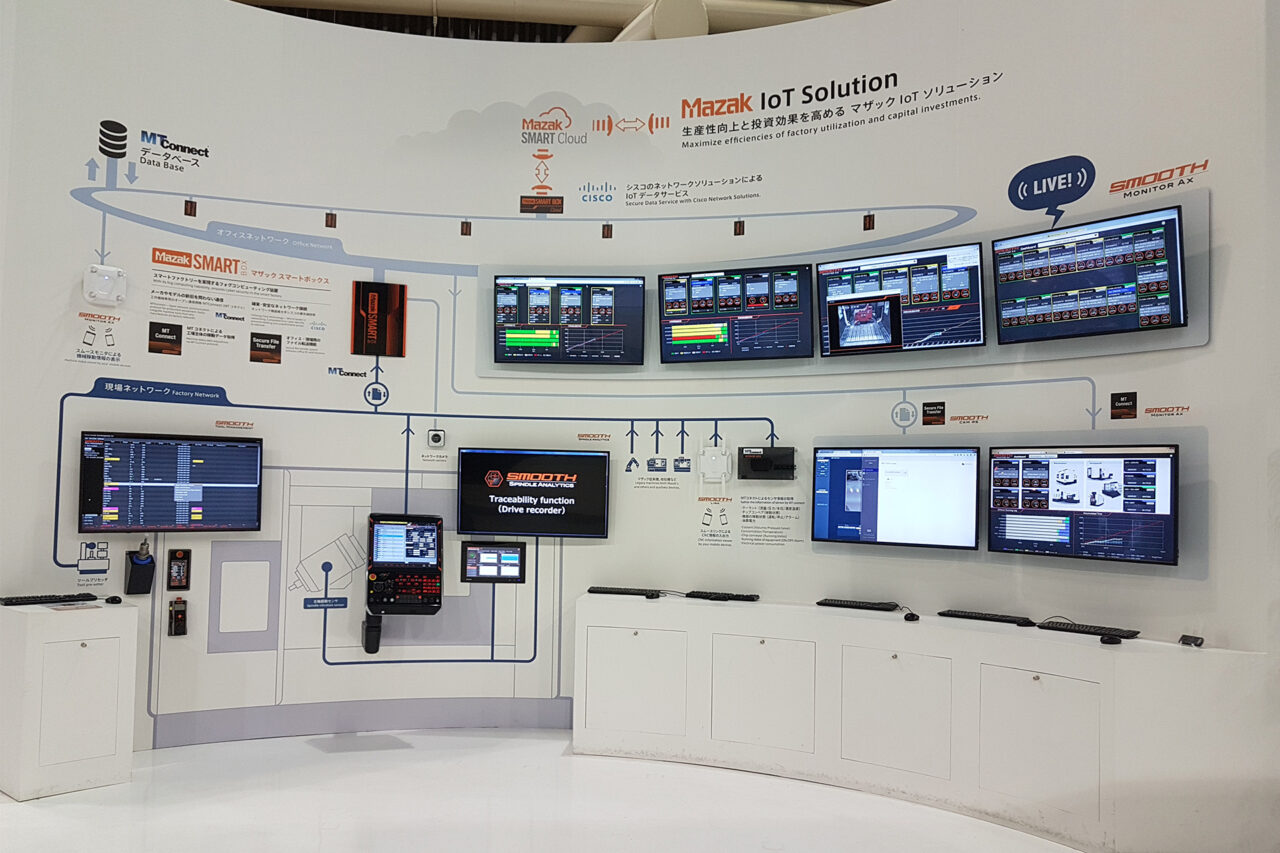
The Mazak iSmart Factory is built on three core pillars: SMOOTH Technology; the new SmartBox, which provides faster data analysis with enhanced security; and the MT Connect standard communication protocol. The components are interconnected to enable real-time sharing of production data between the shop floor and the offices — resulting in shorter lead times, reduced in-process inventory, and lower indirect machining costs for manufacturers. SMOOTH Technology — which includes the world’s fastest CNC controller and the Smooth Process Support (SPS) factory management software — is at the heart of Mazak’s Industry 4.0 infrastructure. SPS contains software modules that can provide management with valuable information. Through functions such as machining programme generation, centralised tool management, production scheduling, and real-time remote monitoring of machine status, networked data sharing delivers the highest efficiency for plant and system managers. According to their experience, this can reduce machining time by 30%, while also connecting the complete machine status and providing real-time monitoring and analysis capabilities.

During the week-long visit, in addition to the latest technology, the Yamazaki family, MAZAK President and CEO Tomohisa Yamazaki, and the company’s senior management and Hungarian representatives also took care to share traditional Japanese values — something that impressed not only the Hungarian team but all the other international guests as well.

Source: MAZAK, MIMTA2017


MEMBER OF THE NAVIGATOR GROUP

Julius-Globe Ltd.

End-to-end metal industry solutions: custom and small-series manufacturing with engineering support, design and an R&D approach.


METAL INDUSTRY COMPETENCE CENTRE

Since 1998


WE LOOK FORWARD TO HEARING FROM YOU

Get in touch

info@jglobe.hu

+36 (96) 543 281

H-9081 Győrújbarát, István u. 176.