
Forty Percent Export Share — We Ship from Győrújbarát to Mexico Too
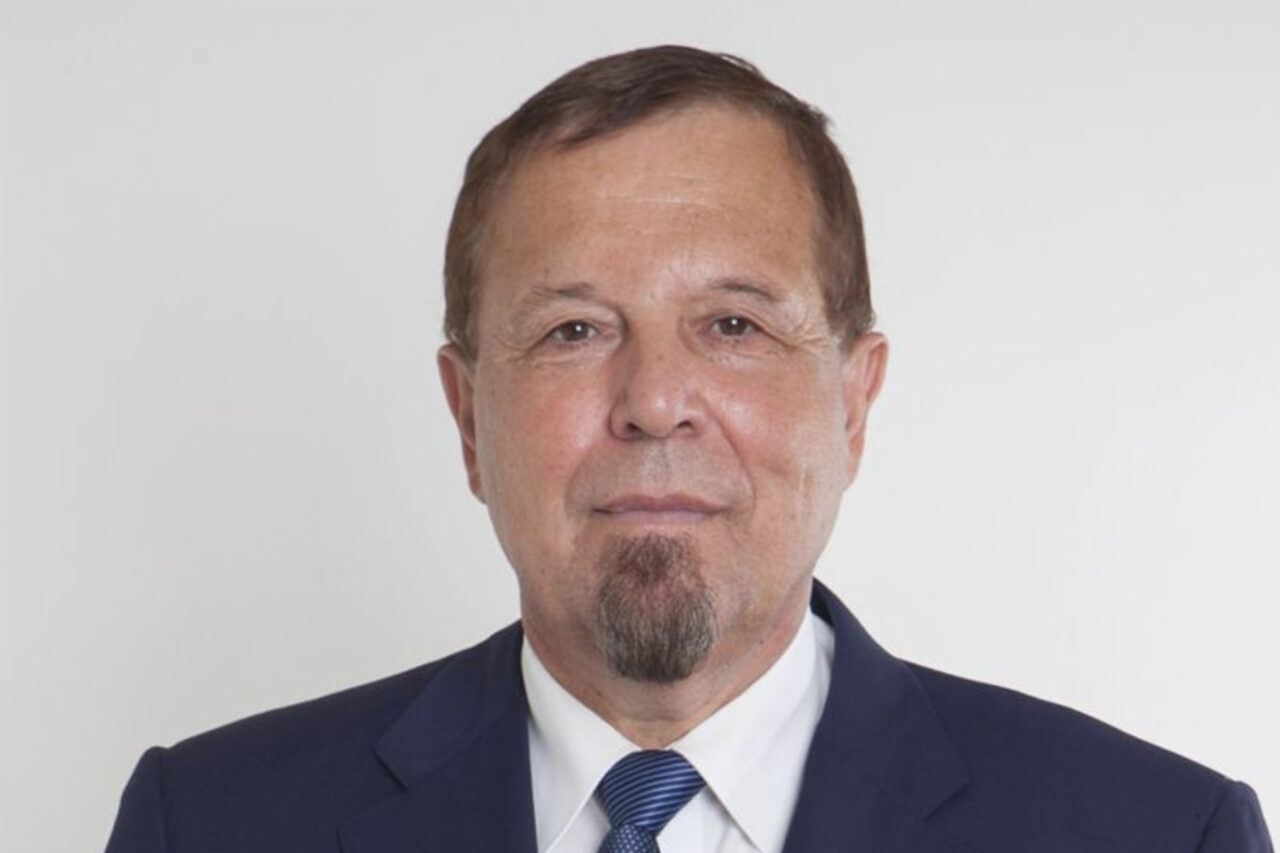
Autopro: Julius-Globe Ltd. is a small company near Győr that has been quietly active in the automotive industry for over twenty years. You don’t hear much about them — yet they have a number of large-scale projects behind them. Would you have guessed that in Győrújbarát they also develop safety-critical components for oil drilling rigs? We spoke with Managing Director Gyula Rácz.
– How would you summarise the company’s activities?
– Over the past nearly 20 years, our company has gone through continuous development. We started out almost exclusively assembling and reworking electronic and mechanical components for the automotive industry. Today we supply more than nine industries — primarily the automotive sector, but also packaging, printing, high-tech, energy, engineering, plastics, electronics, tobacco, and medical device manufacturing. Our current work includes CNC precision machining of components and the design and production of assembly lines and measuring equipment.
– What products do you manufacture? What references would you mention?
– Our precision components, assembly workstations, production lines, jigs, tools, special-purpose machines, end-of-line inspection fixtures, functional gauges for mechanical part inspection, hand-held measuring tools with dial gauges, and workpiece clamping fixtures for 3D coordinate measuring machines are well known in both domestic and foreign markets. Around 40% of our revenue comes from export. We ship to seven countries in Europe — primarily to multinational companies in Germany, the Netherlands, Austria, and Switzerland — and we also supply markets outside Europe, such as Mexico. Among our references I would mention the Robert Bosch, Schaeffler, Körber, Besi, and KBA groups, and we have also supplied Audi, Federal Mogul, Coperion, Siemens, and BOS.
– How are you connected to the fourth industrial revolution?
– We closely follow Industry 4.0 developments and incorporate them into the equipment and devices we design, manufacture, and commission — including laser and optical sensor networks, camera systems, and automated assembly systems. In this way, we support our customers in advancing their manufacturing processes and increasing their production capacity.
– Are further developments expected? What grant opportunities are you planning to pursue?
– In recent years, thanks to successful equipment and experimental R&D grant projects, we have been able to carry out effective investments that allow us to offer our customers an even broader technology portfolio. Over the past two years we have acquired several CNC machining centres, CNC lathes, CNC grinding machines, and a 3D coordinate measuring machine. For years we have also been conducting experimental R&D work on behalf of both Hungarian and international partner companies. A new challenge arose in 2015 when Adient — the former Johnson Controls — invited our company to jointly participate in consortium-based experimental R&D. The consortium leader defined that Julius-Globe would carry out the design and experimental production of certain prototype components for three series of 3000-range prototype product families. We successfully closed the project and the grant application at the end of 2017. We currently have one ongoing grant project, within which we plan to invest close to one million euros in development.
– What completed R&D projects can you report on?
– In recent years our customers have asked us to carry out various R&D tasks. Our completed projects include: developing engine block contamination inspection equipment for the automotive industry; further developing a digital surface roughness measurement device for specific applications; supporting the development of sunroof roller blind manufacturing technology; conducting tests on non-stick and wear-resistant surface materials for raw material conveyor rollers; experimenting with and introducing optimal raw-material-specific coatings; and integrating special technologies and measuring equipment into our customers’ production processes. We have also worked on medical device manufacturing experiments, developing new heat treatment processes for safety-critical components of oil drilling rigs, designing and building both assembled and single-piece propellers, and carrying out aerodynamic tests on straight-bladed and helical propellers.
– Strengthening the link between education and industry has been a key topic for years in addressing the skills shortage. You sponsor a student competition team from Győr — Szengine. What does this collaboration look like in practice?
– Yes, our company has been supporting these talented young people for years. When they reach out, we machine components for them. Most recently we manufactured parts for cylinder pressure indication — the machined inserts allowed the team to properly mount a piezo crystal sensor in the cylinder heads of their engine. Last year we also helped with preparations for manufacturing the crankshaft of the EV05 engine. We follow their work closely. It is wonderful to see so many talented and motivated young people on the team, and to know that despite their studies and exams, there is still time for engine development and racing.